Skincare on a Budget: Where to Save and Where It's Worth Spending in 2026
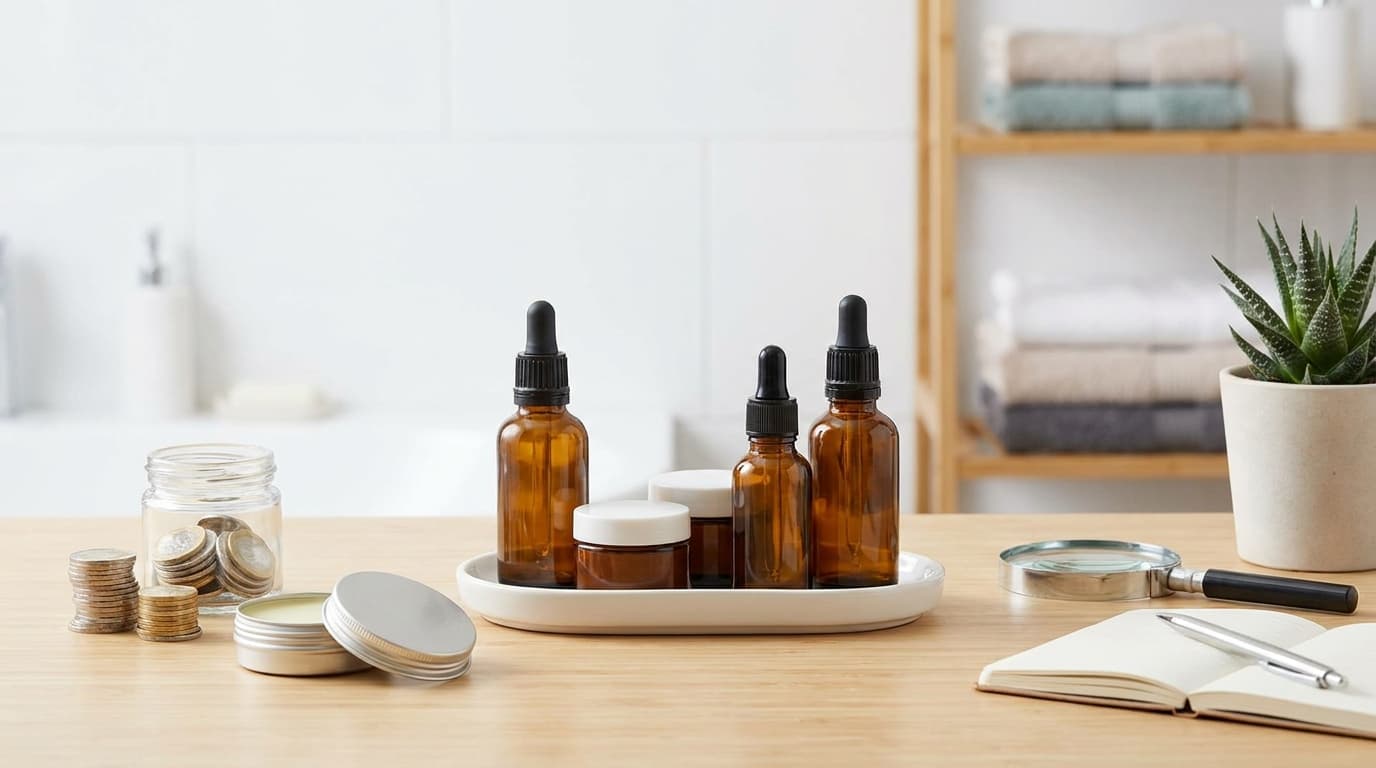
Mastering Your Skincare Routine Without Breaking the Bank
In the United States, the beauty industry has exploded with options, making it easier than ever to curate a high-performing skincare routine. However, with viral trends and premium pricing, it is easy to feel overwhelmed by the costs. Achieving a glowing, healthy complexion does not require a mortgage payment or a luxury boutique budget. In 2026, the best approach to skincare is strategic: knowing exactly where to pinch pennies and where to invest for maximum efficacy.
By understanding the science behind product formulations, you can distinguish between marketing hype and true clinical value. Whether you are shopping at your local drugstore or browsing online, the goal is to build a regimen that works for your skin type and your wallet. Spend where it matters, save where it does not, and your routine will stay effective without stretching your budget.Where to Save: The Basics Done Right
Many consumers fall into the trap of believing that a higher price tag equates to better performance. In reality, several fundamental steps in your daily routine can be handled by affordable, high-quality drugstore brands. The primary function of these products is basic maintenance, and you do not need expensive active ingredients to achieve these goals.
Cleansers: A cleanser’s only job is to remove dirt, oil, and impurities without stripping your skin of its natural moisture barrier. Since the product is on your skin for less than a minute before being rinsed away, investing in a high-end face wash is often a waste of money. Look for gentle, pH-balanced formulas that focus on hydration rather than fancy botanical extracts.
Moisturizers: Similar to cleansers, moisturizers are meant to lock in hydration. You can find excellent, dermatologist-recommended options at any CVS or Walgreens. Ingredients like ceramides, hyaluronic acid, and glycerin are highly effective and widely available in budget-friendly lines. You are paying for the same core chemistry as luxury brands, just without the premium packaging and heavy fragrance markups.
Basic Sunscreen: While sunscreen is non-negotiable, you do not need to spend fifty dollars on a tiny bottle. In 2026, many affordable brands offer broad-spectrum SPF 30 or higher that feels lightweight and leaves no white cast. As long as the product is labeled as broad-spectrum and has been tested for efficacy, the cheaper version is just as capable of protecting your skin from UV damage as the prestige version.
By streamlining these three pillars—cleansing, moisturizing, and sun protection—you leave more room in your budget for the heavy hitters that actually change your skin’s appearance over time.
Where It Is Worth Spending: The Power of Active Ingredients
While you can save on the basics, there are specific categories where spending a little more is often justified. This is primarily due to formulation technology, the stability of active ingredients, and the clinical research backing the products. When it comes to treating specific skin concerns like fine lines, hyperpigmentation, or acne, the quality of the delivery system matters significantly.
The Science of Serums and Treatments
Active ingredients like Vitamin C, Retinol, and chemical exfoliants (AHAs/BHAs) are notoriously difficult to stabilize. A poorly formulated Vitamin C serum can oxidize quickly, turning orange and losing its potency before you even finish the bottle. When you invest in a higher-end serum, you are often paying for advanced delivery systems that ensure the ingredients penetrate deep enough to be effective. These brands often invest heavily in clinical trials, providing data that their products actually deliver the results they promise.
If you are looking to upgrade your routine, these clinically proven treatments are usually where a bigger investment pays off. This allows you to reap the benefits of professional-grade skincare while still maintaining a reasonable budget for the year 2026.
The Value of Innovation and Texture
Beyond the active ingredients themselves, luxury skincare often provides a sensory experience. If a product feels luxurious, smells pleasant, or absorbs perfectly into the skin, you are much more likely to use it consistently. Consistency is the most important factor in skincare success. If you hate the smell of a cheap serum, you will eventually stop using it, rendering the money spent on it a total loss. Sometimes, the "extra" cost is a tax on the user experience that ensures you stay on track with your health and wellness goals.
Customization and Professional Guidance
Another area where it is worth spending is professional consultation. Instead of buying ten different products that might not work for your specific skin type, consider spending that money on a single visit to a dermatologist or a licensed esthetician. A professional can analyze your skin and tell you exactly what you need, preventing the "trial and error" spending that plagues so many beauty enthusiasts. In 2026, many dermatology clinics offer virtual consultations, making professional advice more accessible than ever for those living in different regions across the United States.
Smart Shopping Strategies for 2026
To keep your skin healthy without overspending, adopt a "low-buy" or "smart-buy" mentality. Before purchasing a new product, consider these tips:
Check the Ingredient List: Don't be fooled by marketing buzzwords. Look for the actual active ingredients. If a product claims to be a "miracle anti-aging cream" but doesn't contain proven ingredients like retinol or peptides, it is likely not worth the price.
Size Matters: Calculate the cost per ounce. Sometimes a larger bottle of a mid-range product is significantly cheaper over time than buying multiple small, travel-sized bottles of a "luxury" brand.
Samples and Minis: Never commit to a full-sized expensive product without trying it first. Many retailers offer sample programs or mini-sizes. This is the best way to see how your skin reacts before committing to a larger investment.
Look for Bundles: Often, brands will sell their cleansers, serums, and moisturizers in sets. If you know you love the brand, buying a set is usually cheaper than purchasing each item individually. Sets are also a low-risk way to try a full routine from a brand before committing to individual products.The Holistic View of Skincare
Remember that your skin is an organ, and its health is influenced by more than just what you apply topically. In 2026, the intersection of health and wellness is more relevant than ever. Drinking plenty of water, getting adequate sleep, and managing stress levels are essentially free ways to improve your skin's clarity and texture. You can spend thousands on serums, but they will never fully compensate for a lack of sleep or a poor diet. Treat your skin with the same respect you treat the rest of your body.
Furthermore, avoid the temptation to over-exfoliate or use too many active ingredients at once. This is a common mistake that leads to damaged moisture barriers and long-term sensitivity, which then forces you to spend even more money on repair products. A simple, consistent routine is always superior to a complex, expensive one that leaves your skin inflamed.
Final Thoughts on Your Skincare Journey
Building a skincare routine is a marathon, not a sprint. It takes time to see results, and there is no magic product that will transform your skin overnight. By focusing on high-quality, affordable staples for your daily maintenance and reserving your budget for targeted, effective active treatments, you can achieve a glowing complexion that makes you feel confident. Always prioritize your unique skin concerns, listen to your skin's needs, and invest only where it truly counts, so your routine stays as healthy for your budget as it is for your skin in 2026. With the right strategy, you can enjoy the best of both worlds—luxury results and budget-friendly pricing.